Rug Pad Thickness Guide: Maximizing Comfort, Safety, and Floor Protection
This guide explores rug pad thickness, crucial for enhancing comfort, safety, and floor protection․ Understanding ideal pad thickness maximizes rug longevity, prevents sliding, and safeguards your valuable floors․ Discover how to choose the perfect pad for optimal performance and a luxurious feel․
Rug pads are essential underlays with multiple core functions․ They extend rug lifespan by absorbing friction and protecting floors․ Pads prevent slipping, enhancing safety․ They also provide comfort, insulation, and sound dampening, crucial for rug stability․
Defining a Rug Pad and Its Multifaceted Benefits
A rug pad is an essential underlay strategically placed beneath an area rug, serving as a critical accessory for both the rug and the underlying floor․ Its role is multifaceted, precisely designed to enhance longevity, safety, and comfort in your home․ Fundamentally, a rug pad creates a protective buffer, effectively absorbing the friction and impact from daily foot traffic․ This prevents premature wear on the rug’s backing and fibers, thereby extending its useful life․ Beyond preservation, a quality pad significantly boosts safety by preventing rugs from unwanted slipping, bunching, or wrinkling, all common tripping hazards․ This non-slip function is especially crucial on hard surfaces like hardwood, tile, or laminate, where rugs can easily slide without it․ Furthermore, pads provide supportive cushioning, making rugs feel wonderfully plush and luxurious underfoot, greatly enhancing overall comfort․ They also contribute to sound dampening, creating a much quieter environment, and offer insulation, helping keep rooms comfortably warmer․ An excellent rug pad ensures robust protection against scratches and damage to your expensive flooring, diligently safeguarding your home’s foundation․ It is, indeed, an indispensable component for maximizing rug performance and meticulously maintaining floor integrity․
The Critical Role of Rug Pad Thickness in Performance and Aesthetics
Rug pad thickness is pivotal, profoundly influencing a rug’s performance and visual aesthetics․ It fundamentally dictates the pad’s core function: firm grip or plush cushioning․ This directly impacts comfort, safety from slips, and vital floor protection, ensuring stability and durability․ A thinner pad offers superior grip, maintaining a low profile for door clearance and a sleek appearance, preventing unsightly bunching and tripping hazards․ Conversely, a thicker pad maximizes luxurious cushioning, absorbing foot traffic impact and providing better acoustic dampening, contributing to an opulent feel and quieter space․ Incorrect thickness detrimentally affects both․ An overly thick pad under a thin rug causes buckling, rippling, and increased tripping risks, undermining safety and aesthetics․ Therefore, precisely matching thickness to your rug’s weight and weave is critical for optimizing performance, preventing premature wear, and maintaining its intended flat, appealing look․ Such selection ensures maximum utility and visual harmony․
Understanding Specific Rug Pad Thickness Categories
Rug pad thickness is categorized to serve distinct functional needs․ These categories range from ultra-thin options prioritizing grip and low profiles to much thicker pads designed for luxurious cushioning and enhanced support․ Understanding each category helps tailor your choice to specific requirements․
Thin Rug Pads (1/16 to 1/8 inch): Ideal for Grip and Low Profile

Thin rug pads, generally measuring 1/16 to 1/8 inch, are meticulously engineered for superior grip and steadfast stability, serving as the ideal solution to prevent rug movement on various hard floor surfaces․ These high-density pads are primarily crafted from natural rubber, a material renowned for its exceptional adherence, firmly securing smaller, lighter rugs and runners against slips and bunches, even in high-traffic areas․ A significant advantage of these slender pads is their minimal elevation, which ensures rugs maintain a sleek, low profile, crucial for unimpeded door clearance․ This non-slip performance is paramount for thin rugs, which are inherently more prone to hazardous shifting․ A dense, low-profile rubber pad effectively keeps these rugs flat and safely anchored․ Conversely, employing an overly thick pad beneath a thin rug can inadvertently lead to unsightly buckling, rippling, and an increased risk of tripping, making proper thickness selection critical for safety and aesthetic integrity․
Medium Rug Pads (Approximately 1/4 inch): Balancing Cushion and Stability
Medium rug pads, typically around 1/4 inch thick, strike an optimal balance between plush cushioning and essential stability for a wide array of area rugs․ This mid-range thickness is particularly well-suited for medium-weight rugs frequently found in living rooms and dining areas, where comfort underfoot is desired without creating an overly elevated profile․ These pads deliver a noticeable increase in cushioning, enhancing the luxurious feel of the rug and absorbing impact from daily foot traffic, thereby extending the rug’s lifespan․ Often constructed from a combination of dense felt for its cushioning properties and a natural rubber backing, they offer reliable floor grip, preventing slips and bunches․ The felt component also provides valuable benefits such as noise reduction and improved insulation․ A 1/4-inch pad serves as an excellent starting point for hard surfaces like hardwood, tile, or laminate, offering adequate floor protection against abrasive rug backings while delivering moderate comfort․ This standard thickness works effectively for most residential applications, ensuring both aesthetic appeal and practical functionality․
Thick Rug Pads (3/8 to 1/2 inch): For Enhanced Comfort and Support
Thick rug pads, generally ranging from 3/8 to 1/2 inch, are specifically engineered to maximize cushioning and luxurious comfort underfoot․ These pads are the ideal choice for heavy, high-pile, or hand-knotted rugs, where the primary objective is to enhance the opulent feel and provide robust support․ Materials such as dense felt, memory foam, or a combination of felt and rubber are commonly used, ensuring a plush and soft experience․ The increased material mass effectively absorbs the impact of foot traffic, making your rugs feel more luxurious and significantly contributing to acoustic dampening, creating a quieter space․ A pad of this substantial thickness prevents heavy rugs from settling and helps maintain the integrity of their thick pile over time, thereby extending the rug’s lifespan․ While they offer less inherent non-slip grip compared to thinner rubber options, their stability largely relies on the rug’s own weight to keep it securely in place․ These pads also provide excellent insulation benefits, contributing to warmth․ However, consider potential door clearance issues, as they noticeably raise the rug’s profile․ They are the premium choice for ultimate comfort and floor protection․

Matching Rug Pad Thickness to Specific Rug Types
Matching rug pad thickness to specific rug types is crucial for optimal performance․ Different rug weights, weaves, and piles demand varying pad densities for proper support, stability, and comfort, enhancing longevity and feel․
Thickness Recommendations for Thin Rugs and Runners
For thin rugs and runners, which are inherently more prone to slipping and bunching, selecting the correct rug pad thickness is paramount for safety and maintaining a neat appearance; These types of rugs, including flat-woven designs, demand the thinnest and most aggressive grip pads available․ Typically, a thickness ranging from 1/16 to 1/8 inch is ideal․ This low-profile design ensures that the rug lies flat against the floor, preventing buckles and ripples that could create tripping hazards, especially in high-traffic areas or near doorways where clearance is essential․
A dense, natural rubber pad is highly recommended for thin rugs and runners․ Natural rubber offers superior non-slip properties, firmly adhering to both the floor surface and the rug’s backing․ This strong grip is critical for keeping lightweight rugs securely in place․ Opting for a pad that is too thick for a thin rug will counteract its purpose, causing the rug to lift excessively, lose its intended feel, and potentially become unstable․ The goal is to provide maximum stability and floor protection with minimal added bulk, preserving the rug’s natural drape and ensuring a smooth, safe transition underfoot․
Optimal Pad Thickness for Medium-Weight Area Rugs
For medium-weight area rugs, commonly found in living rooms, dining areas, and other moderate-traffic spaces, selecting an optimal rug pad thickness involves striking a balance between comfort and stability․ The ideal thickness for these rugs is approximately 1/4 inch․ This mid-range option provides a noticeable increase in cushioning underfoot, enhancing the rug’s luxurious feel without causing excessive elevation or making the rug feel too plush and unstable․
A 1/4-inch pad offers a perfect blend of support and softness, making it a standard and versatile choice for most residential applications․ These pads often feature a dual-material construction, typically combining a dense felt layer for superior cushioning and sound absorption with a natural rubber backing for effective floor grip․ The felt component (around 24oz per square yard) contributes to noise reduction and adds a layer of insulation, making the space quieter and warmer․ This thickness ensures the rug remains securely in place while providing adequate protection for your floors and extending the rug’s lifespan by absorbing foot traffic impact․
Selecting Pads for Heavy, High-Pile, or Hand-Knotted Rugs
For heavy, high-pile, or hand-knotted rugs, the primary goal when choosing a rug pad shifts to enhancing comfort, support, and the preservation of the rug’s intrinsic quality․ These substantial rugs can effectively accommodate thicker pads, typically ranging from 3/8 inch up to 1/2 inch․ This increased thickness is engineered to provide a plush, luxurious feel underfoot, making the rug feel more sumptuous and inviting․
Dense felt materials are highly recommended for these thicker pads, as they are exceptional at maximizing support and offering superior protection․ The significant material mass of a thick felt pad absorbs the impact of foot traffic, which is vital for preventing the heavy rug from settling and helping to maintain the integrity of its thick pile over its lifespan․ While these pads offer less inherent non-slip grip than thinner rubber options, the sheer weight of a heavy rug helps it stay in place․ This level of padding also provides excellent acoustic dampening, contributing to a quieter and more comfortable living space․

Choosing Rug Pad Thickness Based on Your Floor Type
The type of floor underneath significantly impacts rug pad thickness selection; Different surfaces like hardwood, tile, or existing carpeting demand specific pad qualities for optimal grip, protection, and stability․ Matching the pad to your floor ensures longevity, prevents damage, and enhances overall rug performance․
Rug Pads for Hard Surfaces (Hardwood, Tile, Laminate)
For hard surfaces like hardwood, tile, or laminate, the rug pad must prevent movement and protect the floor finish from scratches․ These valuable floors demand a pad safeguarding against abrasive rug backings, ensuring no damage over time․ A felt pad with a natural rubber backing is highly recommended for these applications․ The rubber provides crucial non-slip grip, preventing rugs from sliding or bunching for enhanced safety and stability․
The felt layer simultaneously offers a dense, protective buffer, absorbing friction from foot traffic and cushioning the rug․ This combination ensures both floor integrity and extended rug longevity․ For hard surfaces, a thickness of approximately 1/4 inch is an excellent starting point․ This mid-range thickness provides ample floor protection and moderate cushioning, adding comfort without creating excessive height․ Be aware that some thin, non-skid pads are notorious for damaging floors over time, unlike proven felt/rubber options․ Always ensure the floor is fully cured if recently refinished․
Considerations for Rug Pads Placed Over Existing Carpeting
Placing an area rug over existing wall-to-wall carpeting requires a distinct approach compared to hard surfaces, as the primary goal shifts from floor protection to achieving structural stability for the rug․ A common mistake is using a traditional soft, thick rug pad, which is counterproductive․ Such pads will inevitably cause the area rug to float, buckle, and ripple on the already soft underlying carpet surface, creating an unstable and potentially hazardous environment․ This instability can lead to tripping hazards and an unsightly appearance, diminishing the rug’s aesthetic and functional value․
Instead, the rug pad chosen for existing carpeting must be thin, dense, and firm․ The ideal thickness for this application is generally 1/4 inch or less․ The material should specifically be a firm, waffle-style or mesh pad․ These specialized pads are engineered to grip the fibers of the existing carpet effectively, anchoring the area rug in place․ This prevents unwanted movement, bunching, and maintains a consistently flat profile, ensuring both safety and a neat presentation․ This strategic choice enhances stability and prolongs the life of both the rug and the carpet beneath․
Rug Pad Materials, Sizing, and Longevity Considerations
Selecting the right rug pad involves understanding materials like felt and natural rubber for grip and protection․ Proper sizing, trimming 4 inches smaller than the rug, prevents peaking․ Addressing potential odors and ensuring floor safety are crucial for longevity․
Key Rug Pad Materials: Natural Rubber, Felt, and Combinations
Natural rubber is essential for rug pads prioritizing grip and stability․ Thin, high-density pads, typically 1/16 to 1/8 inch, frequently use natural rubber to firmly adhere to hard floors․ This prevents lighter rugs from sliding, ensuring safety and a low profile․ Non-slip properties are paramount for secure rug placement․
Felt offers superior cushioning and comfort underfoot․ Dense felt pads, typically 1/4 to 1/2 inch thick, absorb impact, giving rugs a luxurious, plush feel․ Beyond comfort, felt provides significant acoustic dampening and insulation․ This contributes to a quieter, warmer room, especially beneficial for heavier or high-pile rugs needing support․

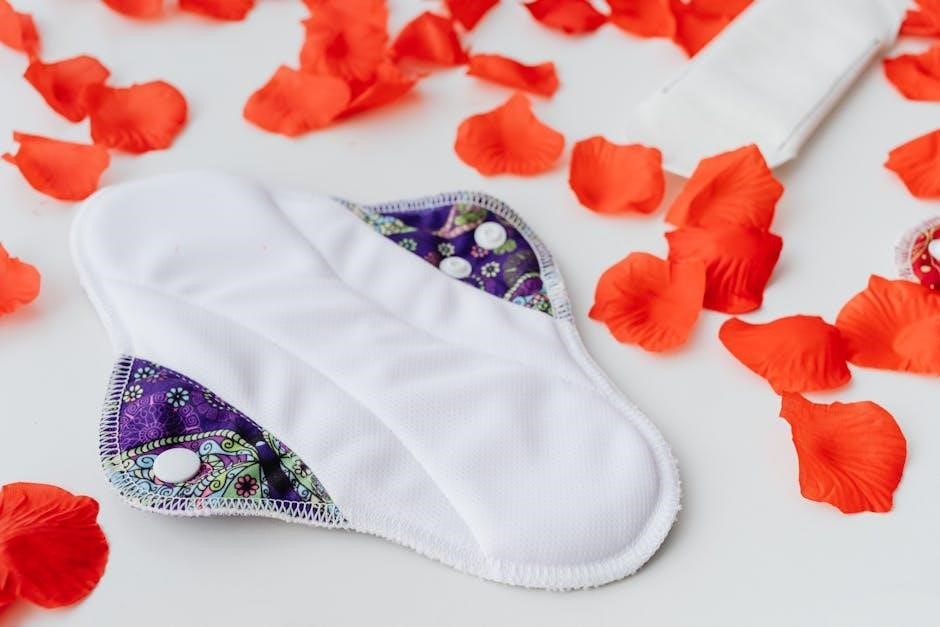
Felt and natural rubber combinations create optimal hybrid pads․ These feature felt for cushioning and floor protection, coupled with a natural rubber backing for strong grip․ Recommended for hard surfaces (hardwood, tile, laminate), this construction shields floors from abrasive rug backings while ensuring robust anti-slip functionality․ Experts advocate these durable, effective pads, cautioning against thin, cheap alternatives known to damage floors․

Sizing, Trimming, and Avoiding Common Issues like Floor Damage and Odor
Achieving proper rug pad sizing is essential for both aesthetics and safety․ The standard recommendation is to trim your rug pad approximately four inches smaller than the rug’s dimensions on all sides․ This ensures the pad remains hidden, preventing edges from showing and creating a seamless, safe transition․ When trimming, use a sharp utility knife, preferably with a specialized carpet blade․ Make several light passes rather than a single deep cut to achieve precision and avoid inadvertently damaging your subfloor․ This careful approach maintains the rug’s appearance and prevents tripping hazards․
Preventing floor damage is paramount․ While some report success with various pads, professionals frequently warn against thin, non-skid pads from general retailers, citing potential long-term floor damage․ High-quality felt/rubber combination pads are widely favored for their protective qualities and non-slip grip, especially on fully cured, refinished floors․ Always verify your chosen pad is safe for your floor type․ For potential odors, new pads, particularly synthetic ones, may have an initial smell․ Airing the pad in a well-ventilated space for a few days before use effectively eliminates manufacturing off-gassing, ensuring a fresh environment․